
New
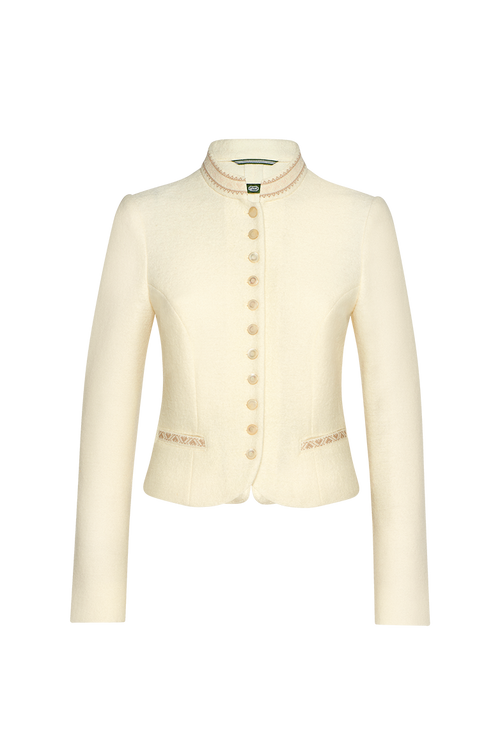
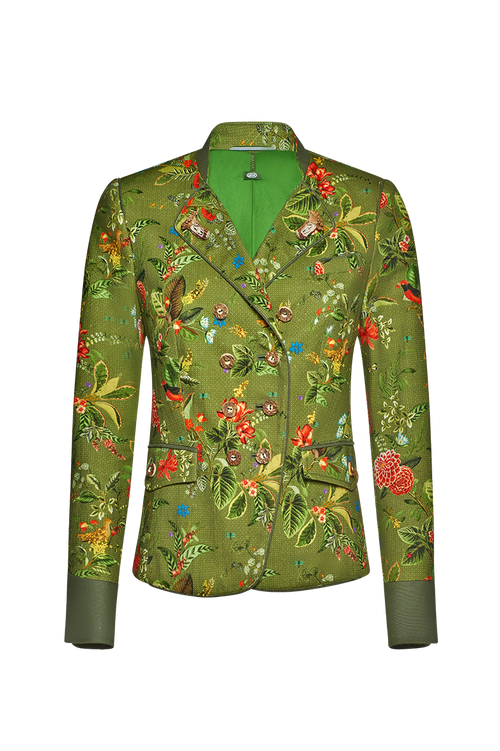
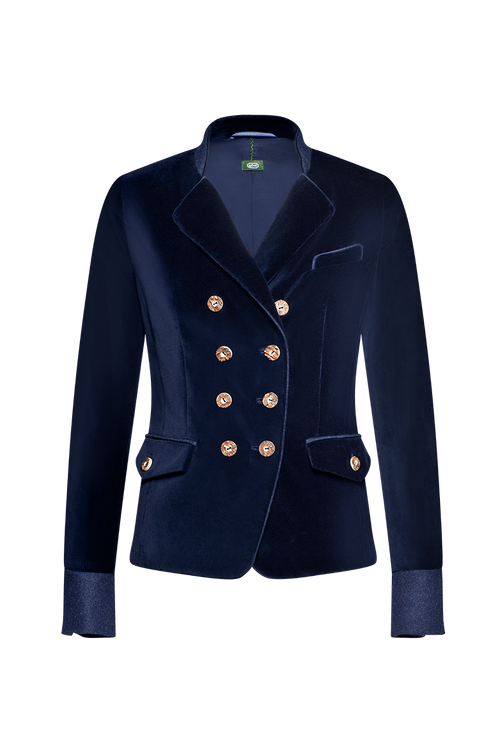
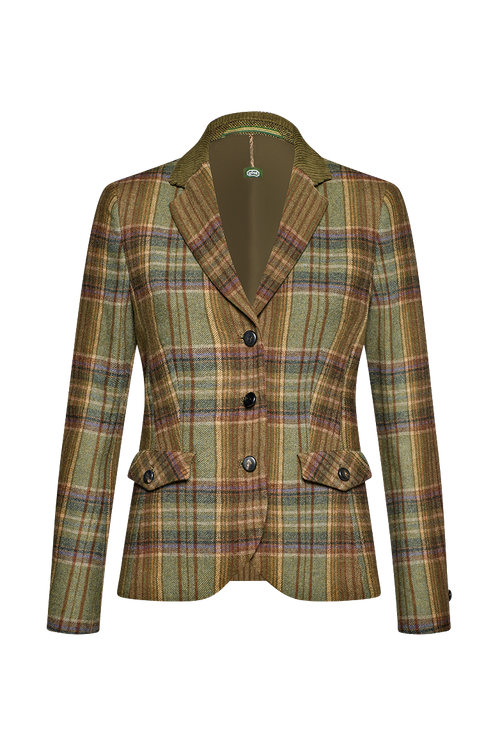
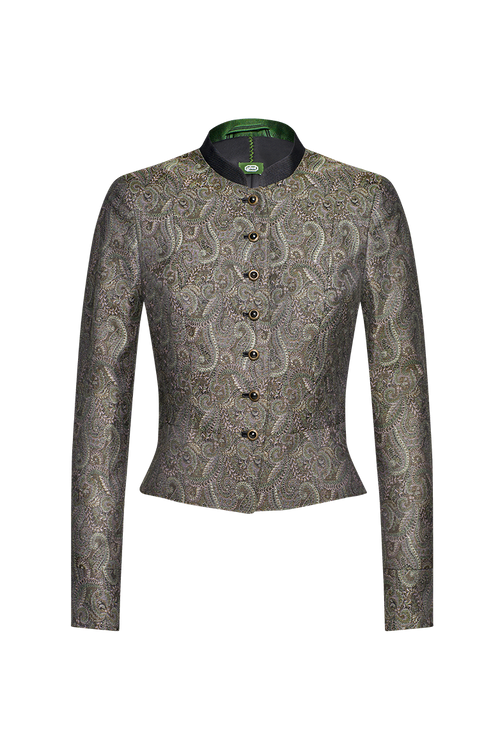
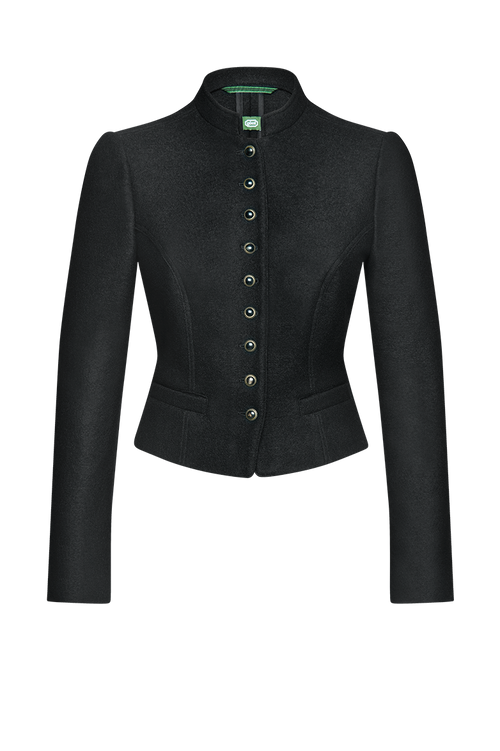
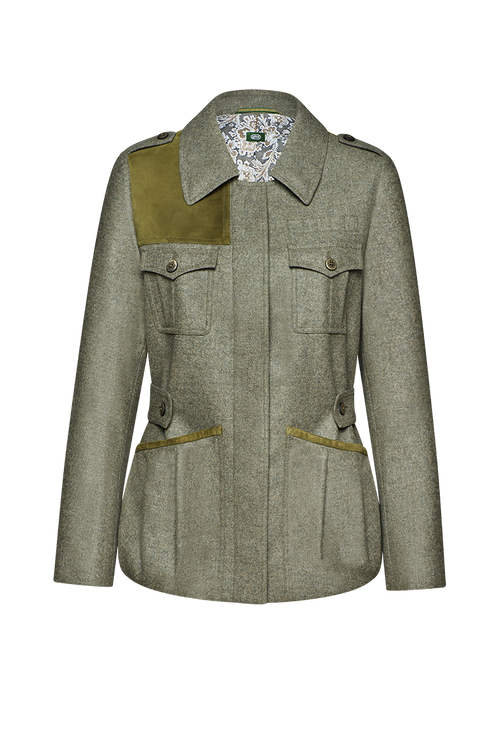
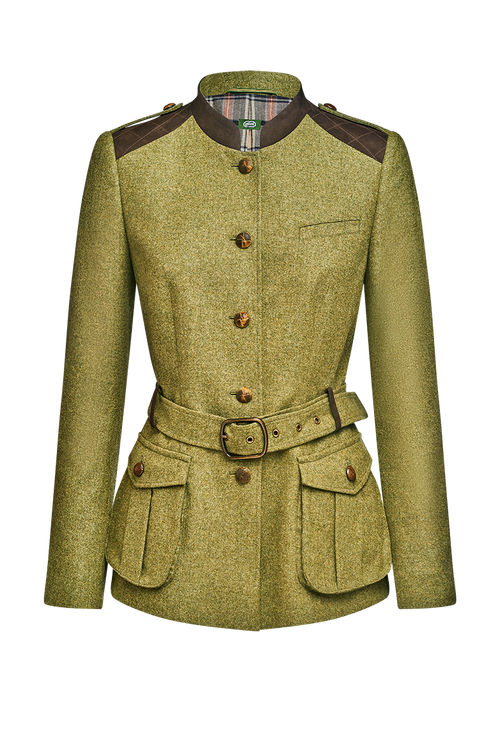
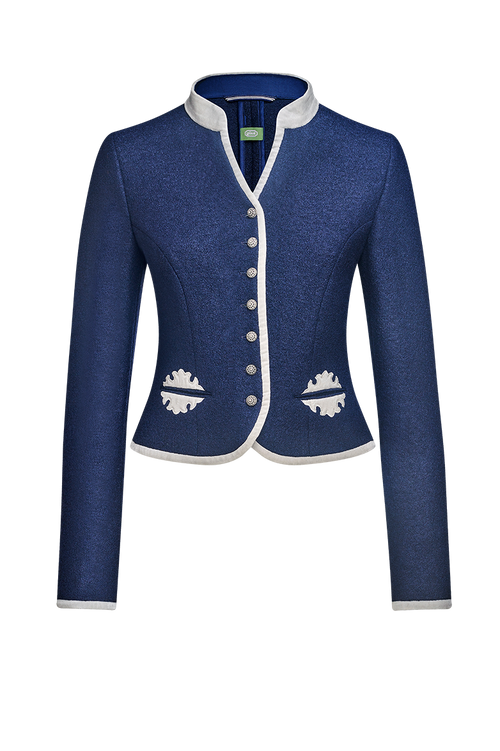
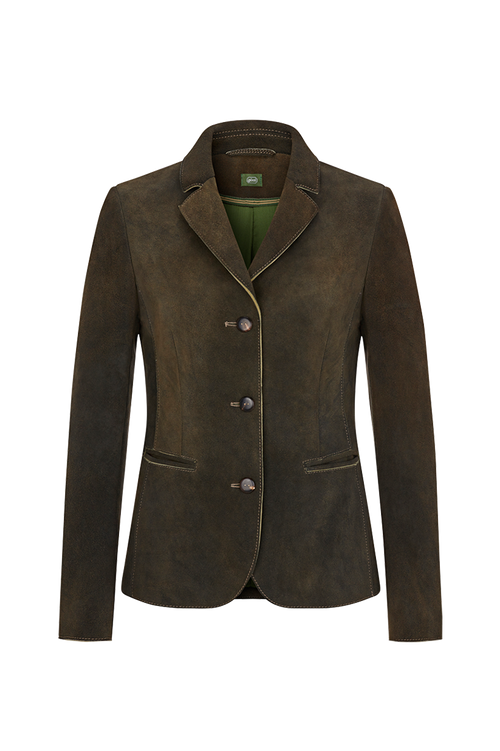
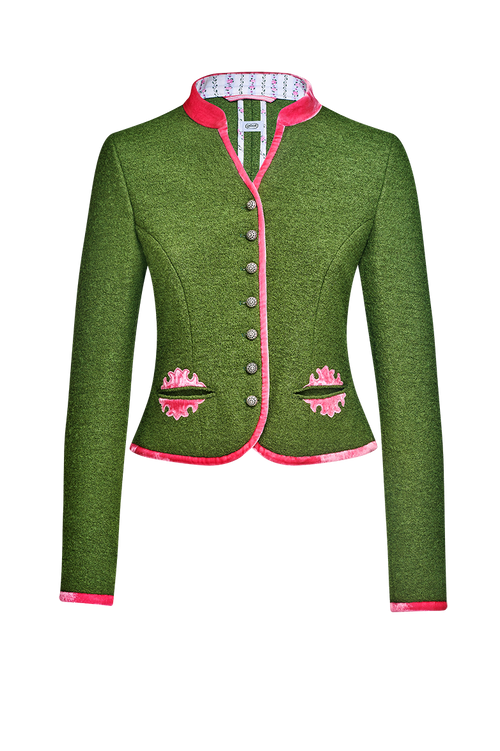
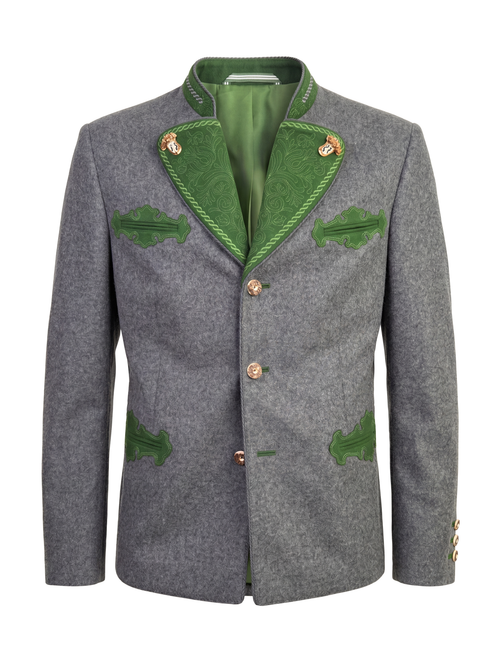
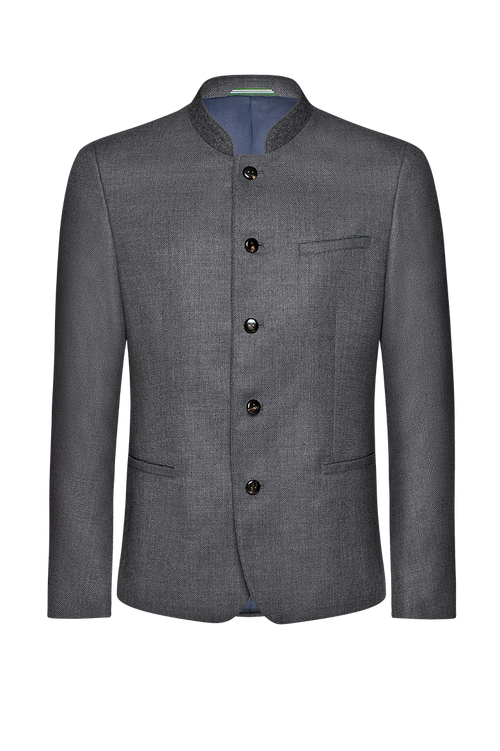
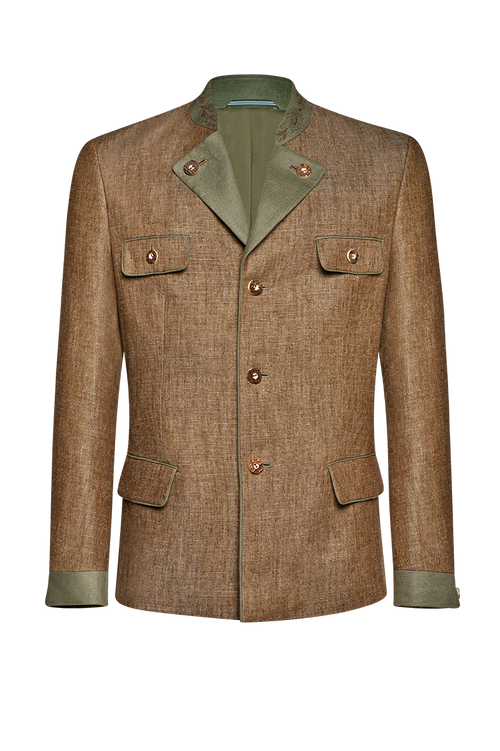
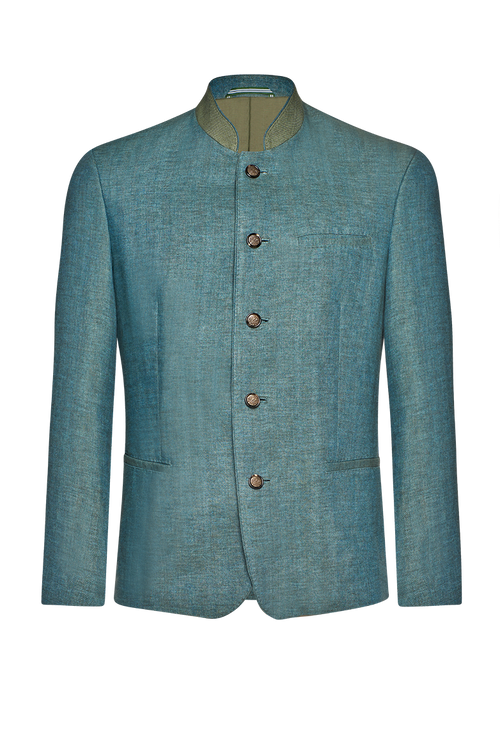
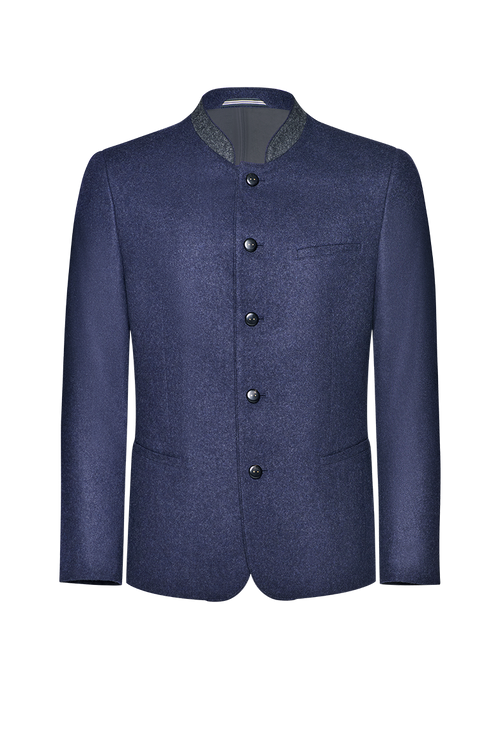
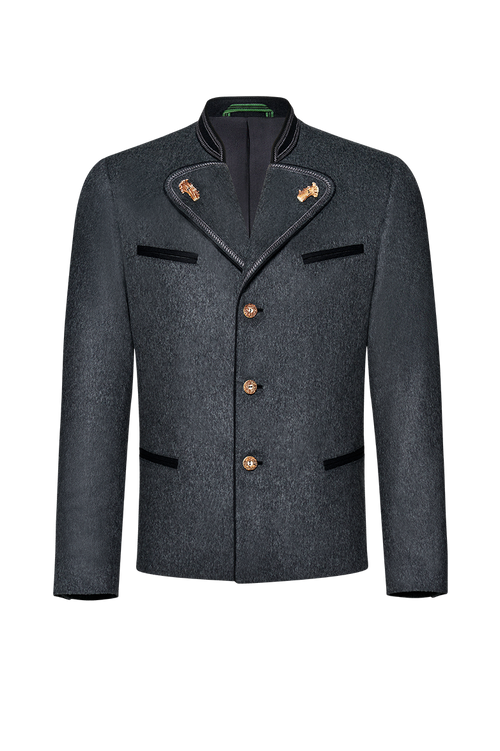
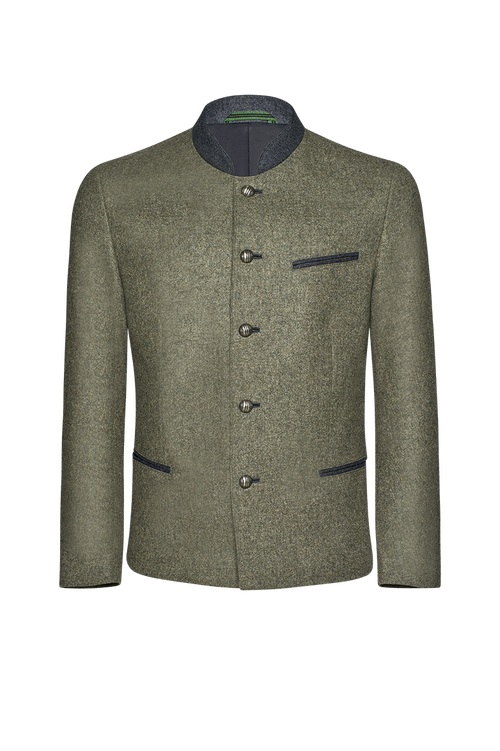
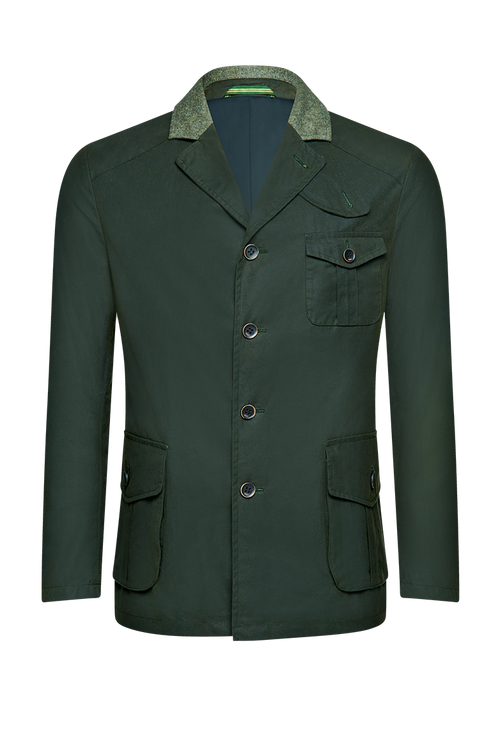
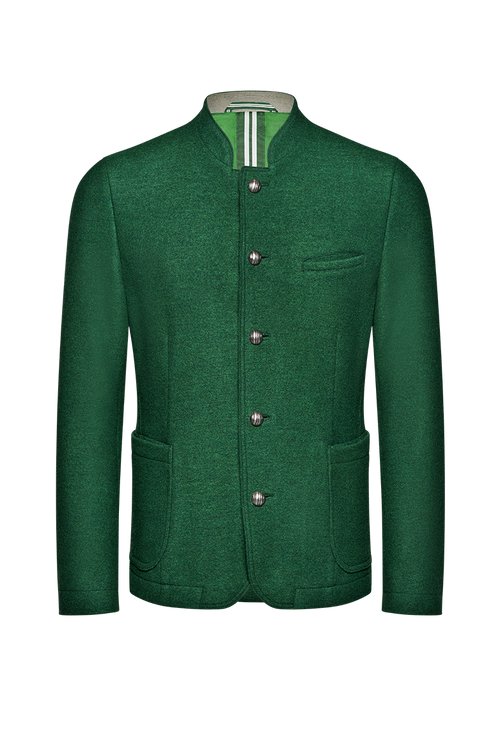
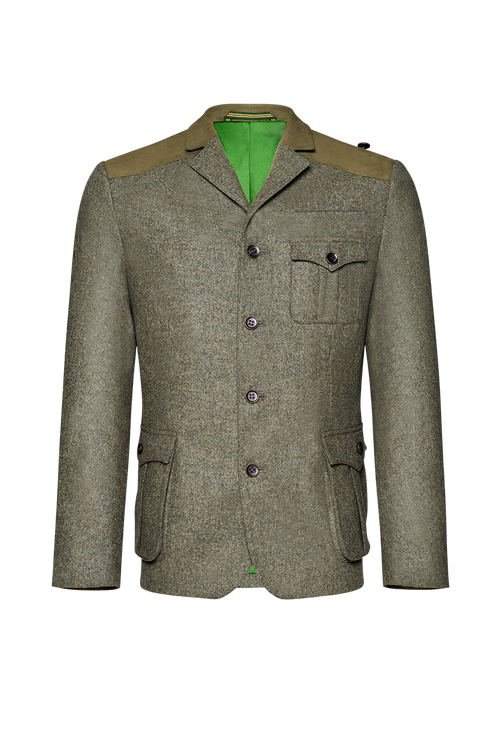
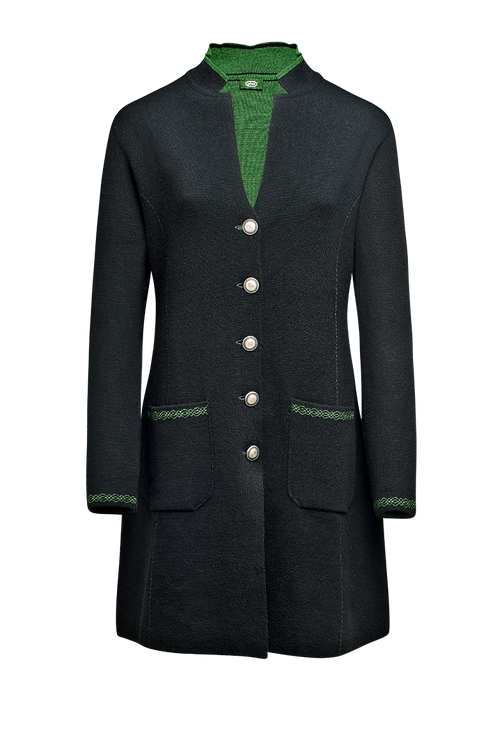
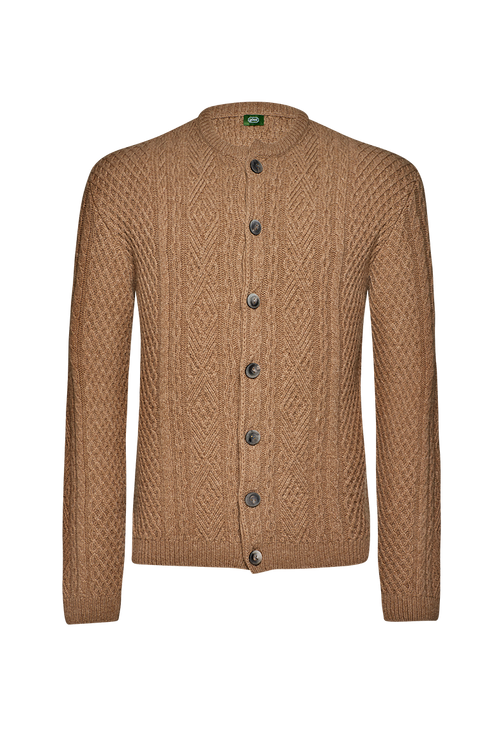
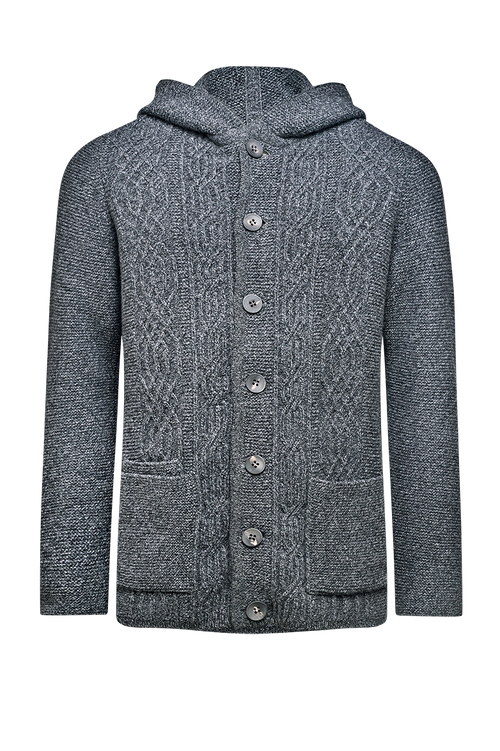
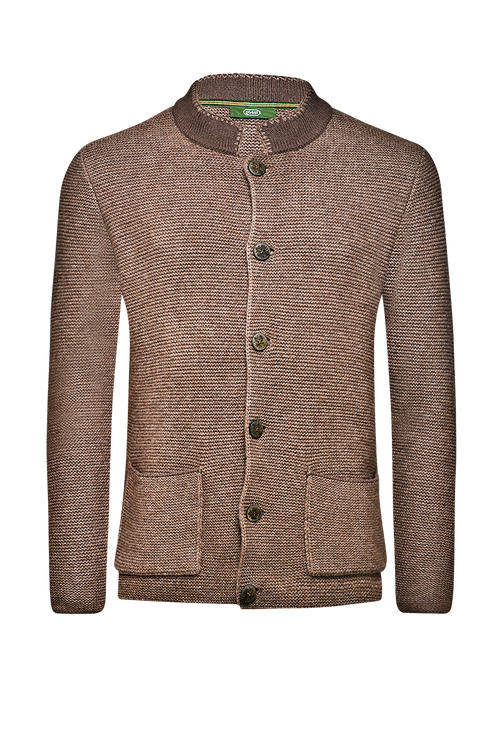
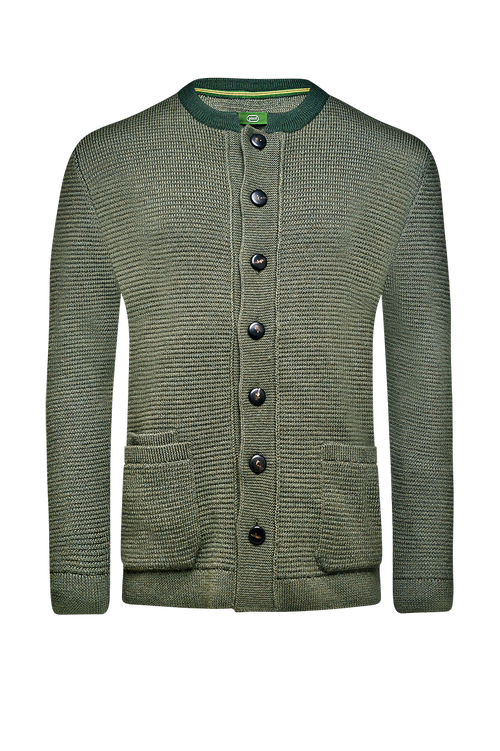
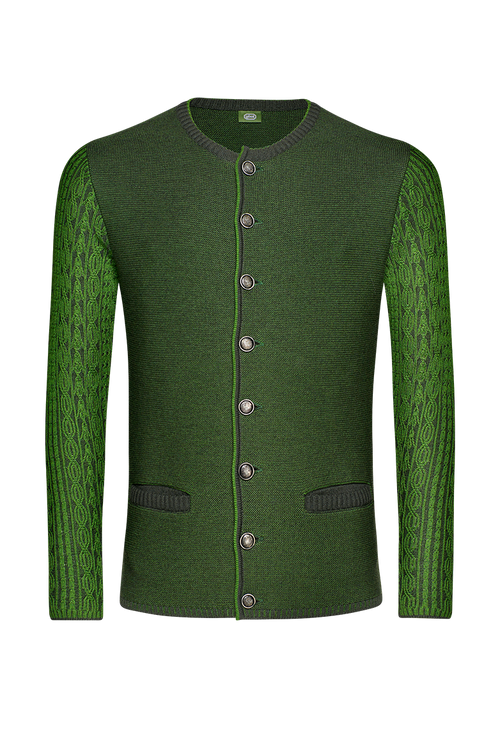
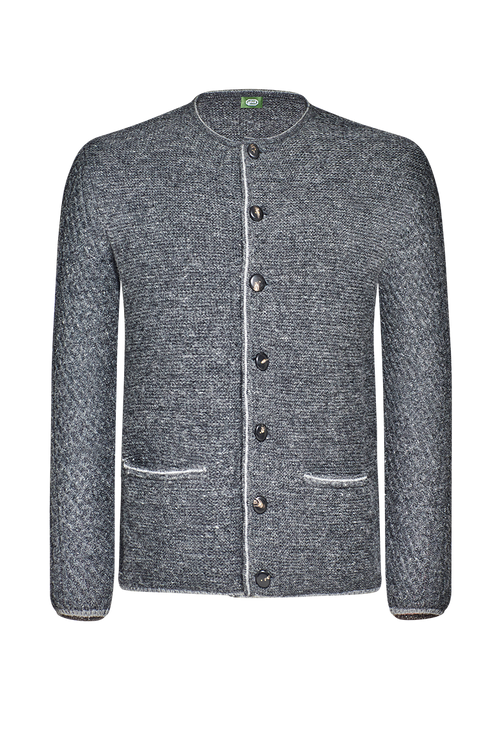
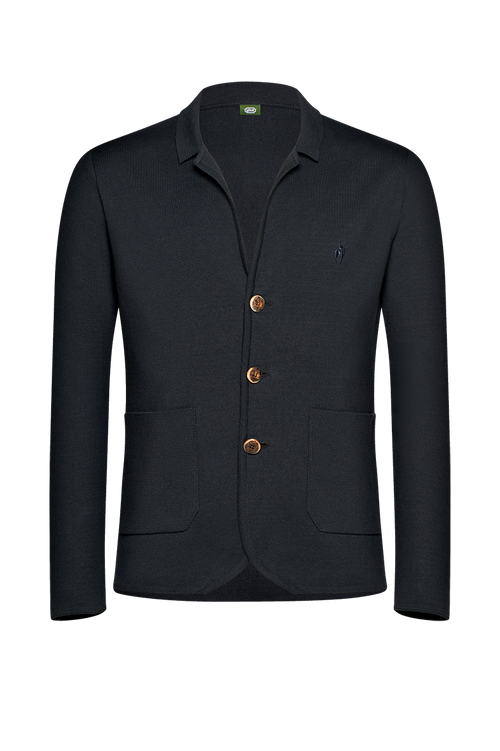
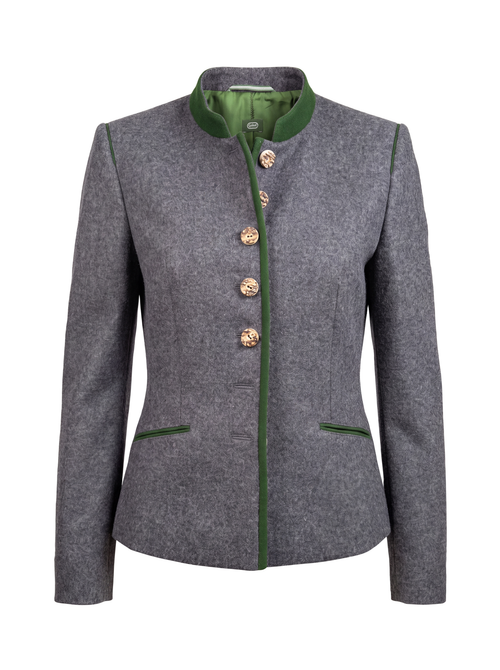
Ischler Loden jacket
960,00 €
– 1.056,00 €
Virgin wool is the name given to the wool obtained when a sheep is shorn. Around forty working steps are needed before a workable fabric comes of it: from washing and sorting through spinning to weaving. At some point it was recognised that felted virgin wool keeps out wind and weather particularly well. The mountain farmers developed a technique from this, the hunters made use of its advantages – and today Loden is a byword far beyond its alpine home.
Walk and Tuchloden become jackets and coats that withstand any weather and yet remain breathable. Among the best-known garments are the Walkjanker and the Schladminger, which has its home in the Dachstein region. The classic Trachtenjanker is also made from Loden. A particularly original form is the Wetterfleck: a plain, dependable protection against the weather, whose forerunners were already worn in ancient Rome.


During the fulling process, tiny air chambers form in the fabric. They create an insulating layer that stores warmth and at the same time protects against the cold. Loden is windproof, hard-wearing, water-repellent and little prone to soiling – and therefore needs hardly any care. Usually it is enough to brush the Gwand out briefly. Its robustness makes Loden a long-lasting companion that is not seldom passed on from one generation to the next.
The stories, the fabrics and the new models reach our subscribers before anyone else. As a thank you: 10 % off your first order.
Your basket is empty
Continue shopping