Gössl Frühjahr/Sommer 2026

Normandy linen

To the stories

At a glance

The flax for our linen grows where rain and sea air let it become long and straight.

Gössl Frühjahr/Sommer 2026

Where from

A narrow strip in the north of France

In the north of France, between the coast and the interior, lies a narrow strip on which flax has been grown for centuries. Normandy is part of it, as are Flanders and the adjoining stretches of land. Moist sea air, mild summers and reliable rainfall give the plant everything it needs — there is no irrigation there.

Gössl Frühjahr/Sommer 2026

What

Long fibres, smooth yarn

Linen comes from the bast of the flax stalk. Where the plant grows up slowly and evenly, these fibres remain long, and long fibres can be spun into a smooth, even yarn. That is the difference you later see and feel in the woven cloth.

Gössl Frühjahr/Sommer 2026

What for

The natural fabric for summer

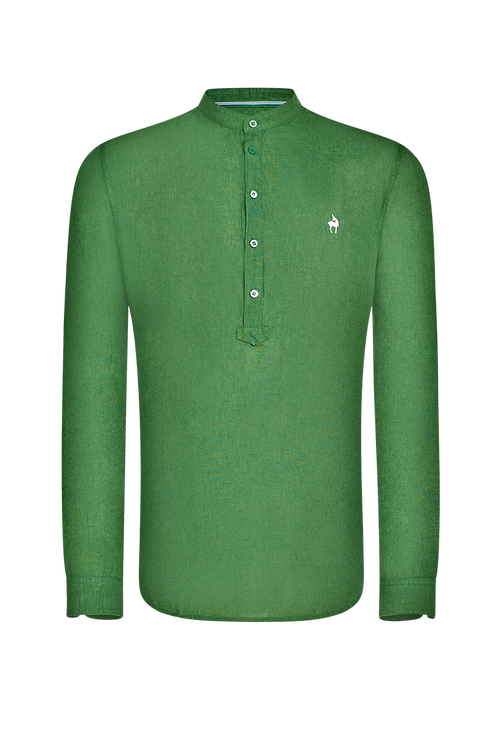
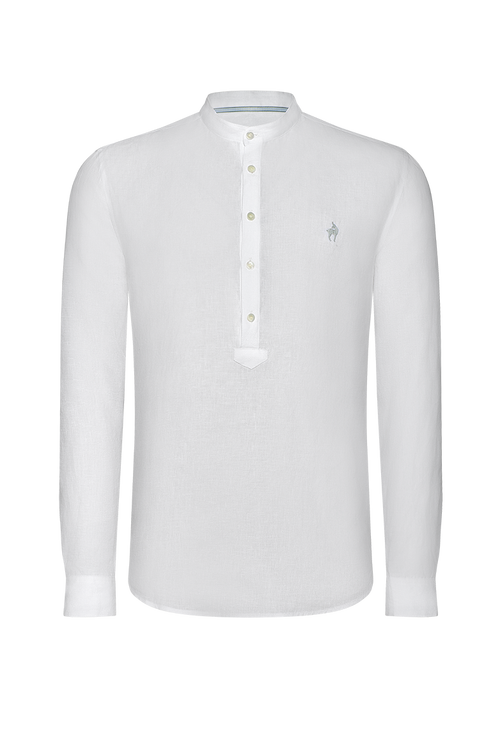
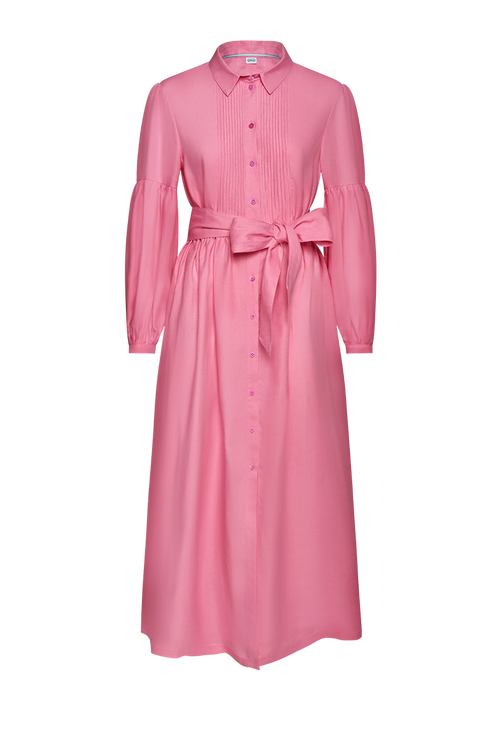
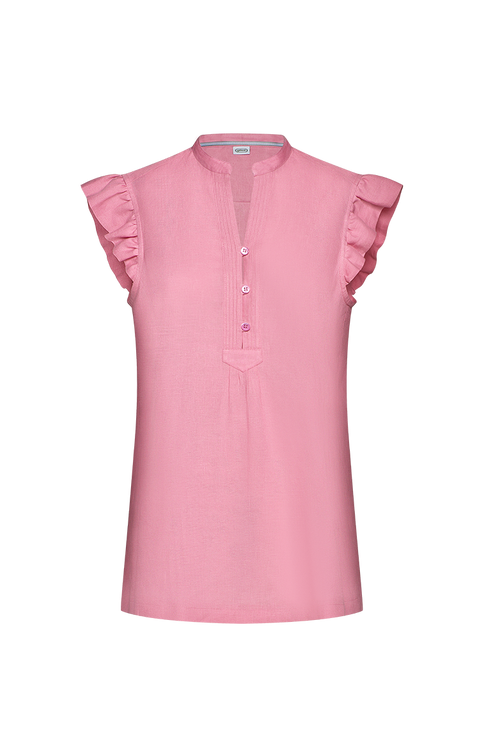
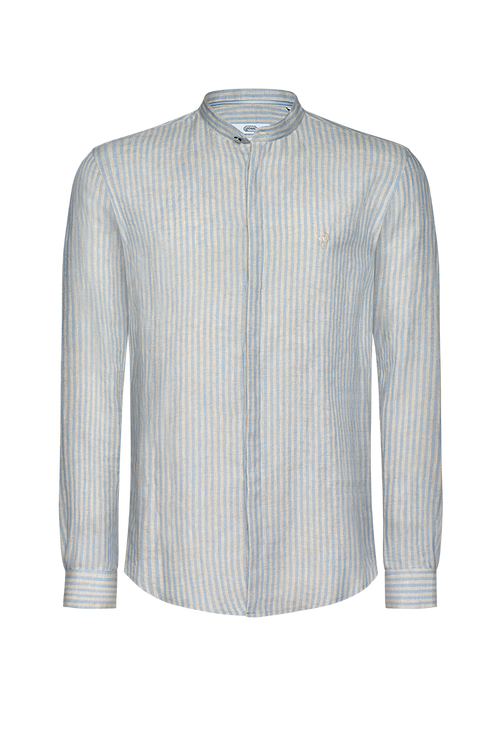
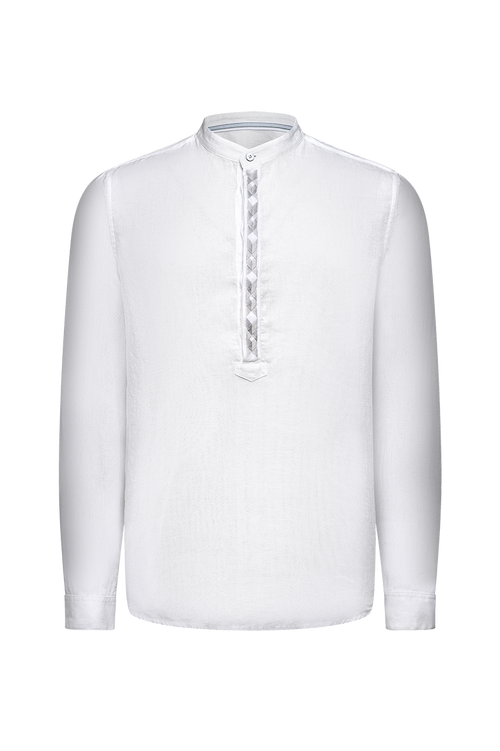
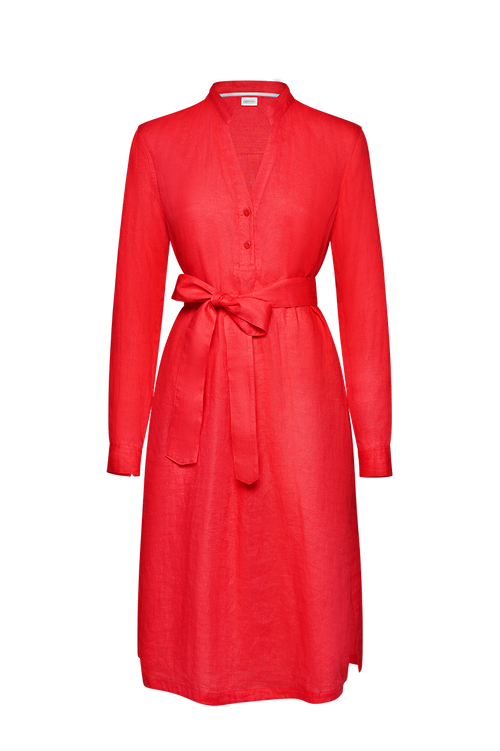
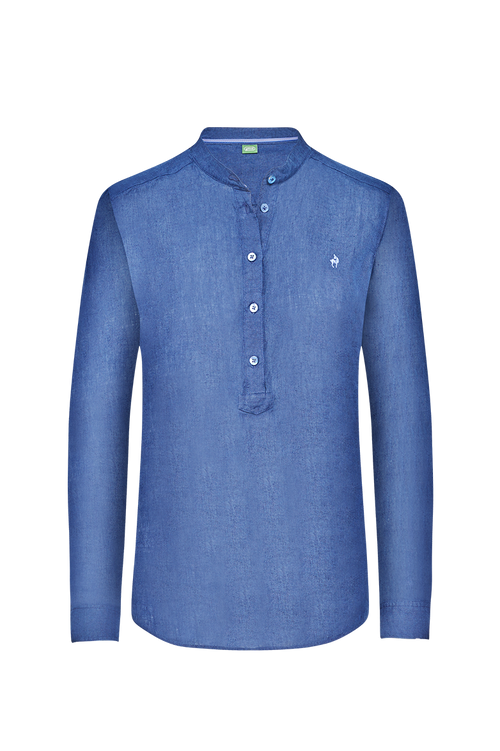
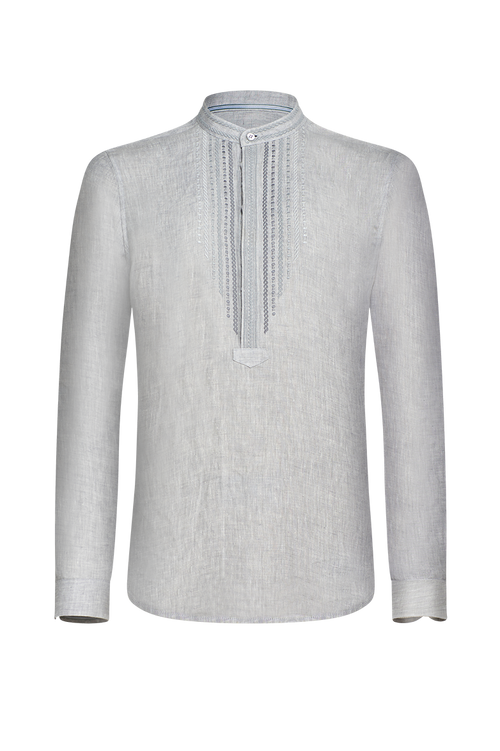
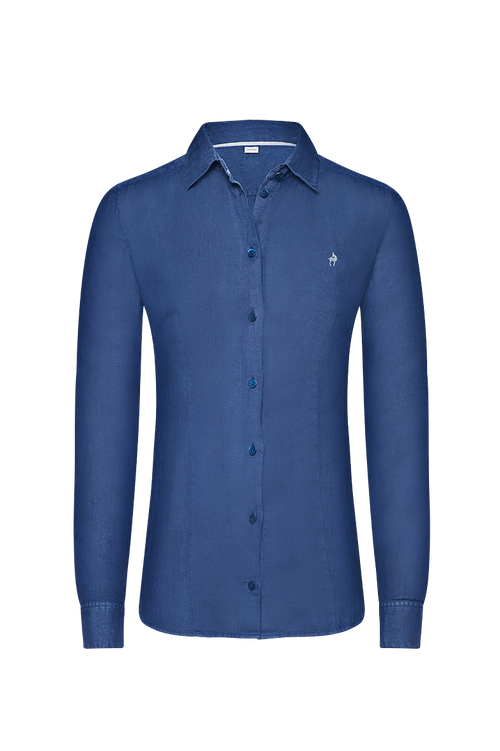
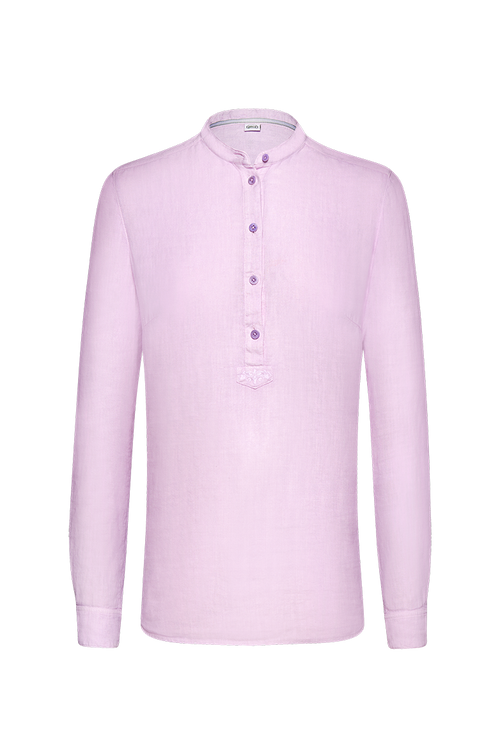
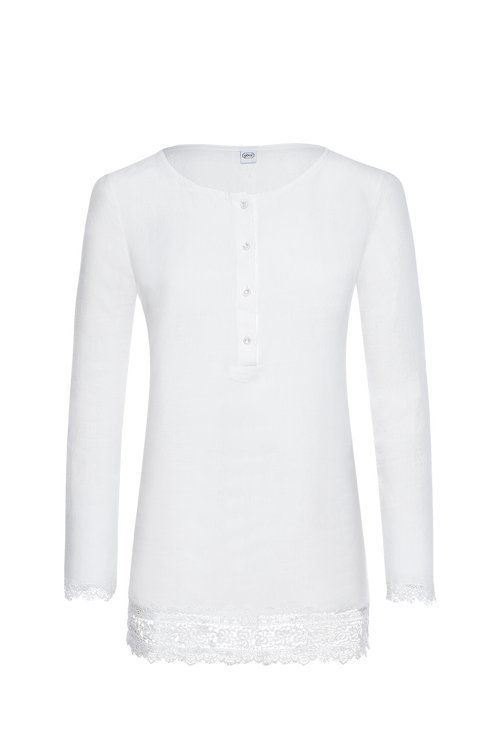
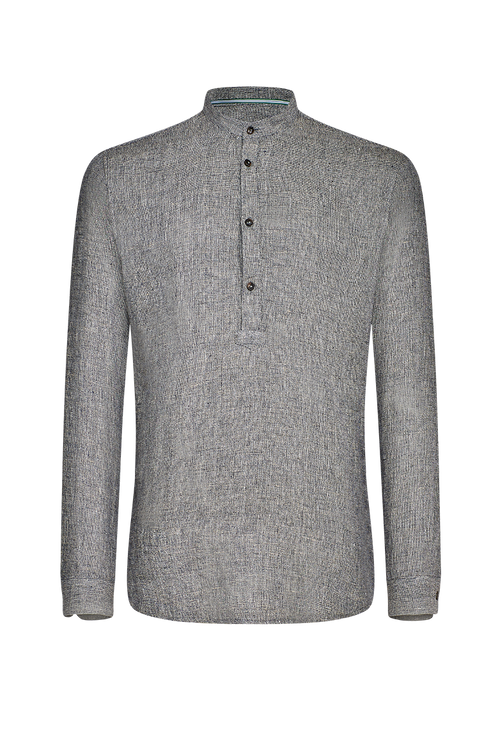
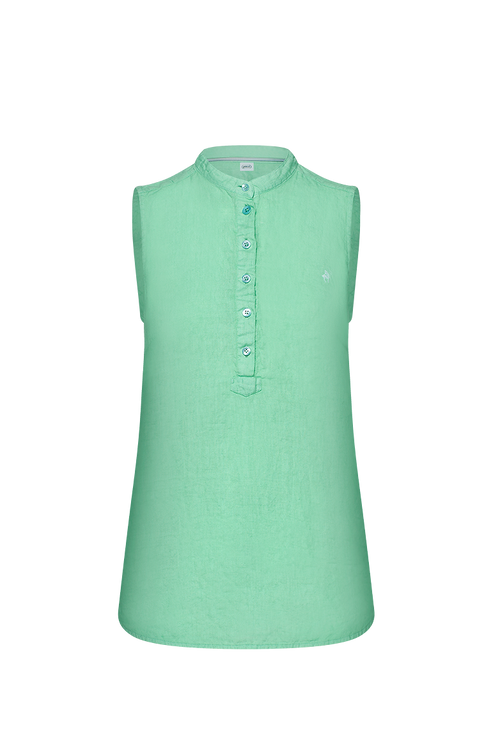
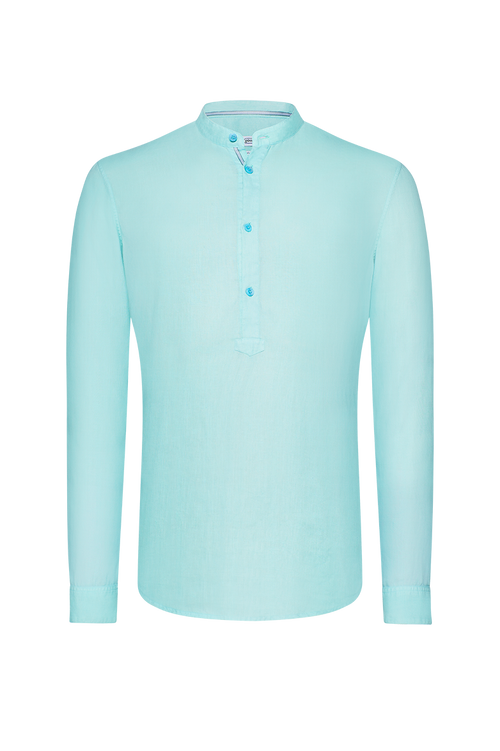
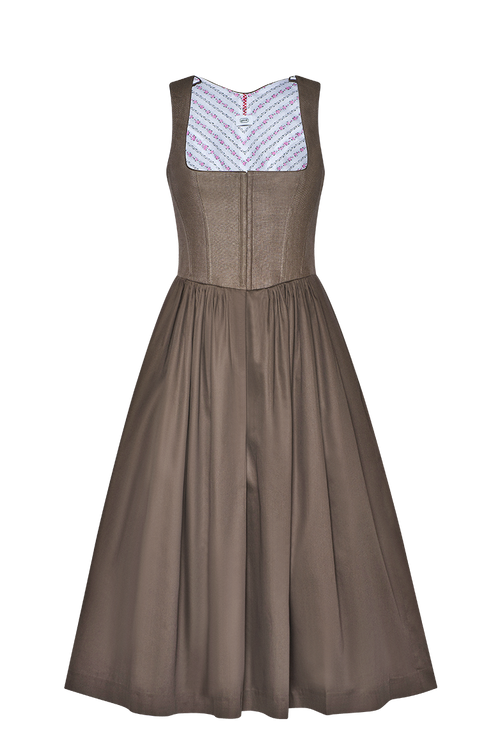
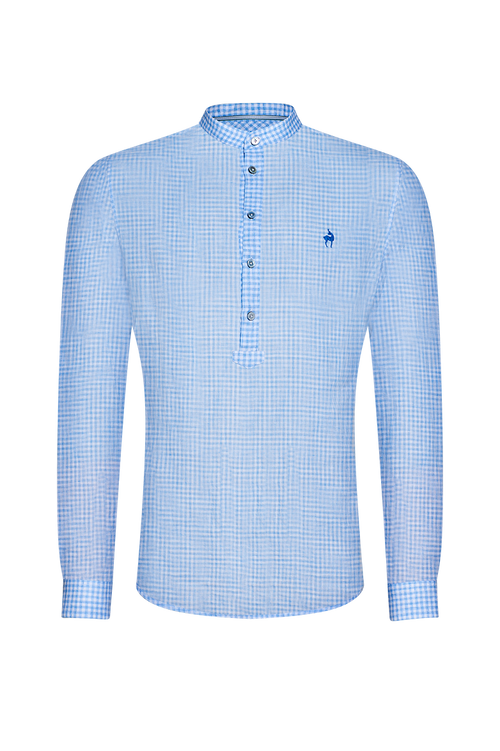
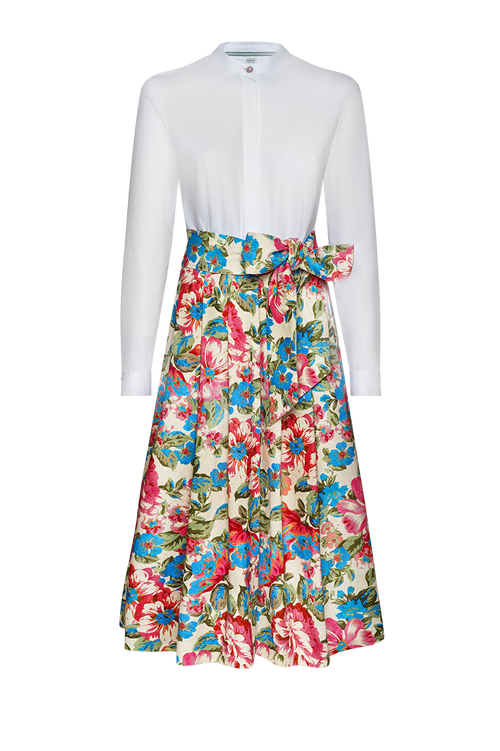
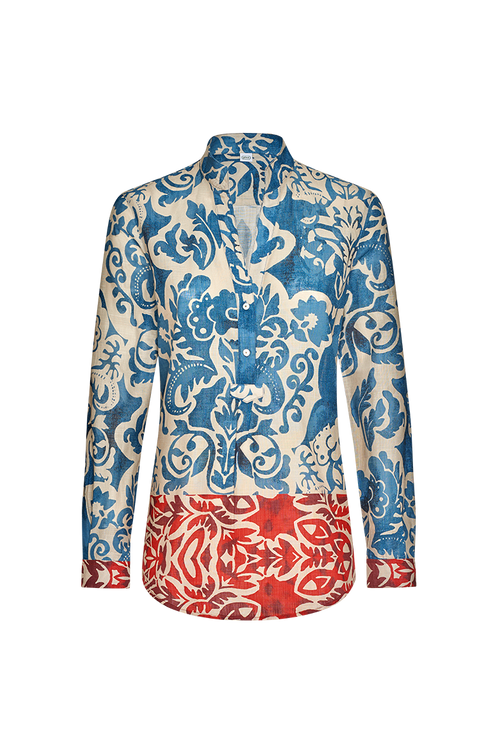
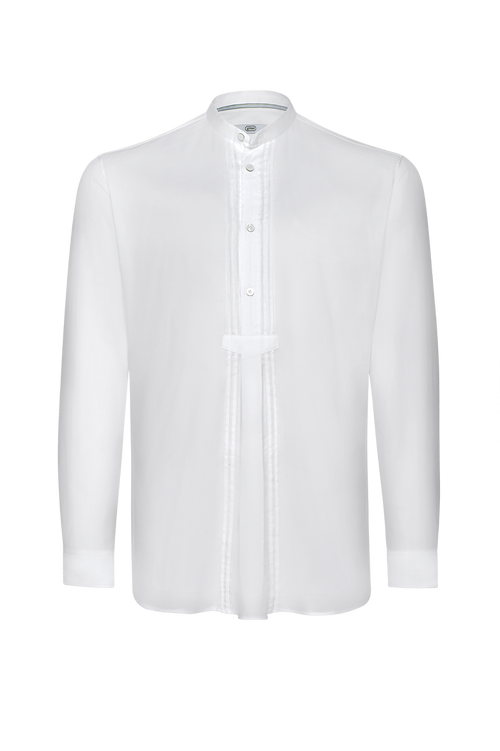
Our Pfoaden have always been made from this linen, as are the light linens of our summer dresses; blouses and Dirndls come in addition. The cloth draws moisture away from the body quickly and stays pleasantly cool even on hot days. For summer it is the natural fabric we come back to again and again.

Gössl Frühjahr/Sommer 2026

Why

A cloth that gains with time

Linen becomes softer with every wearing and drapes more beautifully over the years. It does not lint, it repels dirt and it is tear-resistant. That it creases belongs to its nature — the crease is not a flaw but the signature of the cloth.

Where the flax grows

Flax does not need a warm, dry climate but a cool and damp one. In the north of France it finds both: rain that falls reliably, and soils that hold it. In less than a hundred days the plant stands ready for harvest in the field.
It is not cut at harvest but pulled: drawn out of the earth together with its roots. In this way the fibre is preserved over the whole length of the stalk. Whoever cuts flax shortens it — and shorter fibres make a rougher yarn.

What happens in the field

After the harvest the flax is left lying. Dew and rain set in motion a process that dissolves the plant gum binding the inner fibre to the woody stalk. The stems are turned from time to time so that all sides come to lie evenly.

When the right degree is reached, the stalk itself shows it: it turns silver-grey. Then it is broken, scutched and hackled until the fibres are separated from the wood, cleaned and ordered in parallel. Only then does the flax go to the spinning mill.

From yarn to Gwand

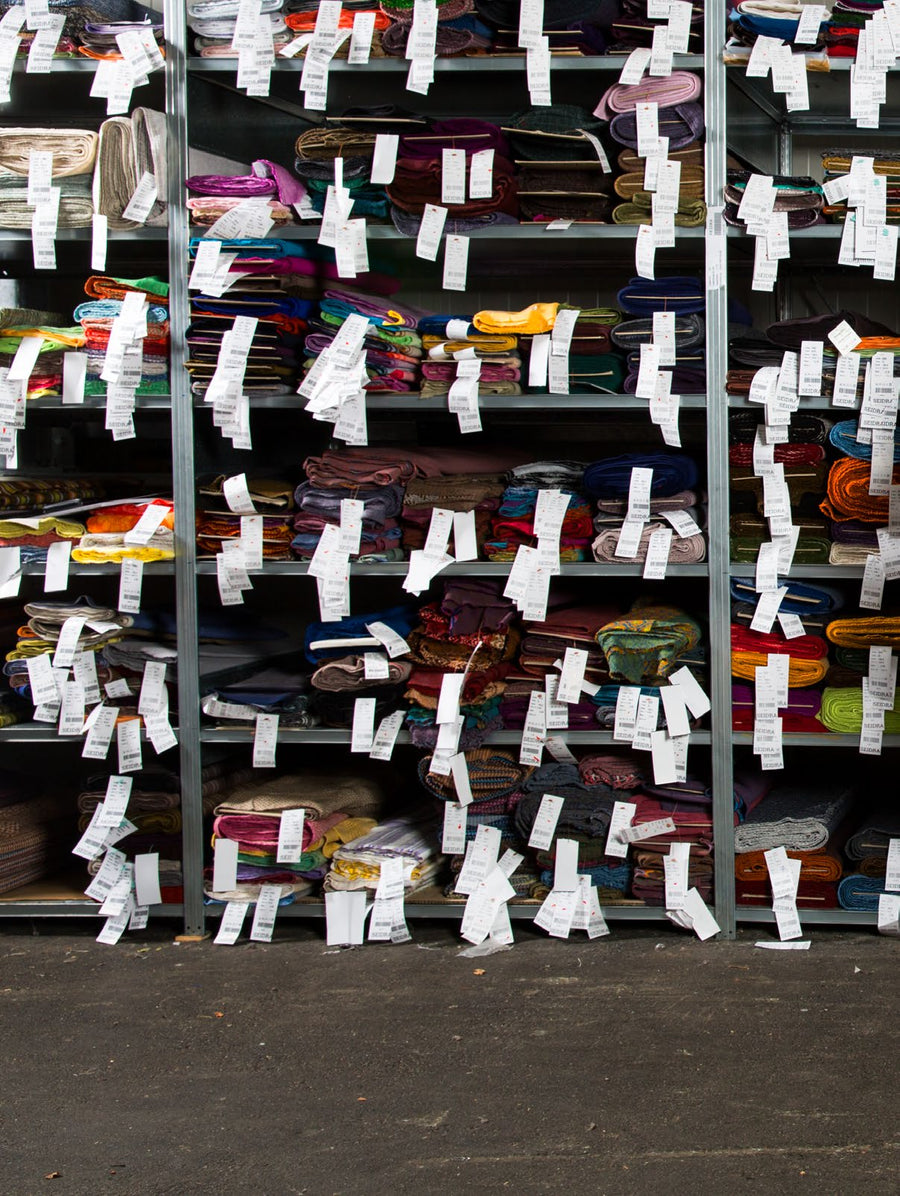
Our linen is woven, among other places, at Seidra in the Gailtal in Upper Carinthia, one of the last linen weaving mills in Austria. There the looms deliberately run more slowly than usual, because the cloth becomes more even and more beautiful for it. Every length is checked by hand immediately after it is made, and where something is not right, it is corrected by hand.

The mill in the Gailtal knows the origin of every spool of yarn. In this way the path of the fibre remains traceable — from the field in France, over the loom in Carinthia, to the finished Gössl model.

bei-seidra-im-gailtal-europas-letzte-strickerei-und-weberei--img-000.jpg
At Seidra in the Gailtal

What happens over the years

A linen shirt that is worn for a long time is not the same as on the first day. The cloth loses its initial firmness, drapes more softly and lies closer to the body.

Odours hardly settle in linen, and undyed linen even withstands a boil wash. It is ironed slightly damp. In this way a linen Gwand accompanies its wearer, woman or man, through many summers.

In Normandy linen

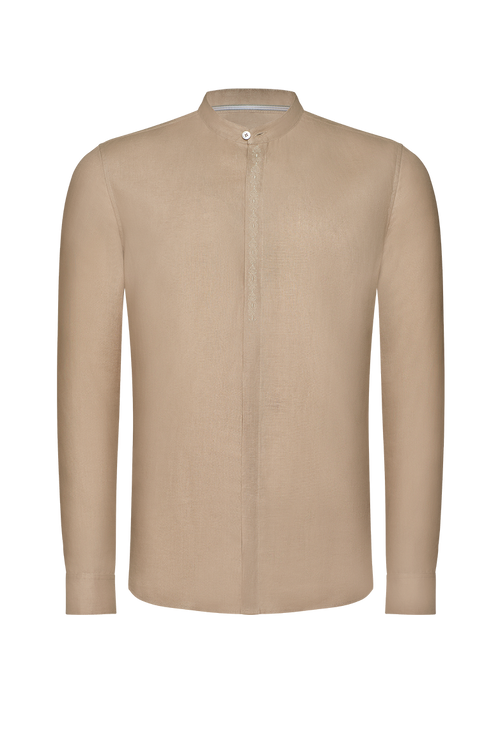
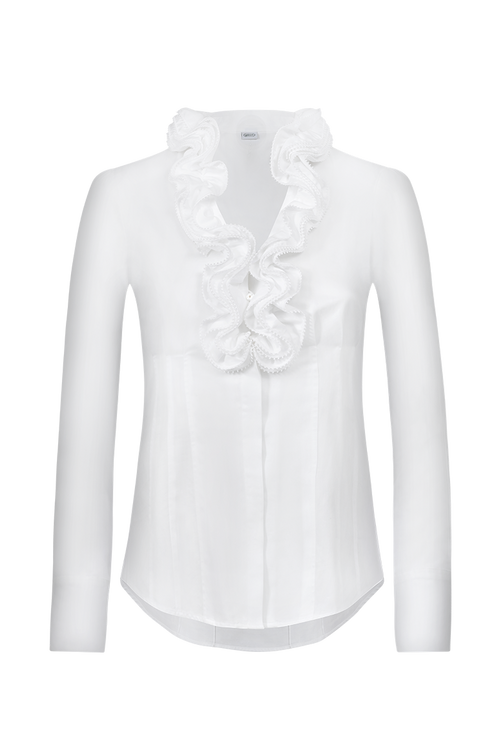
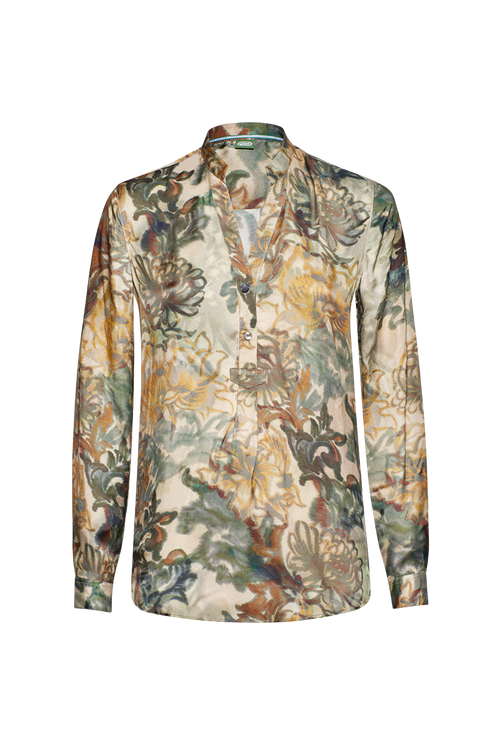
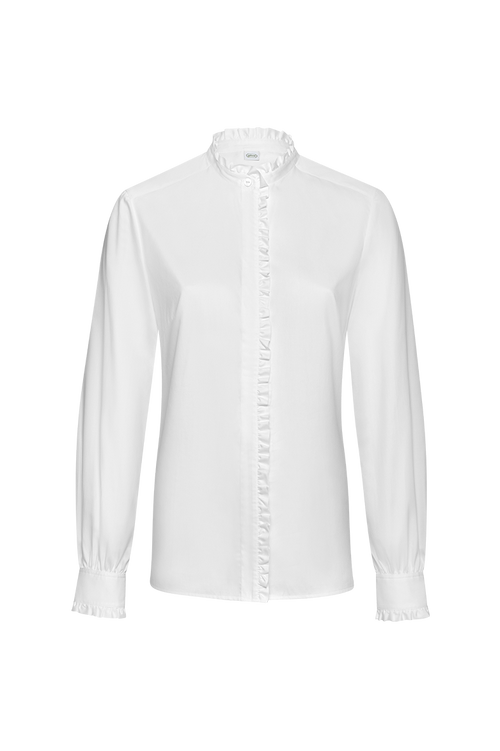
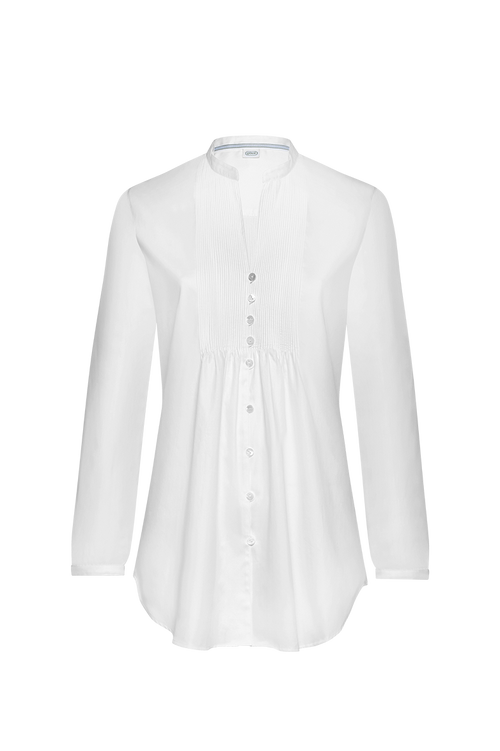
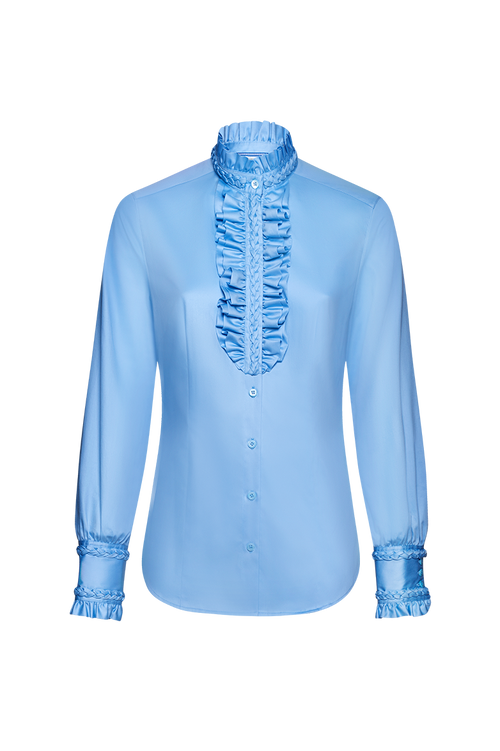
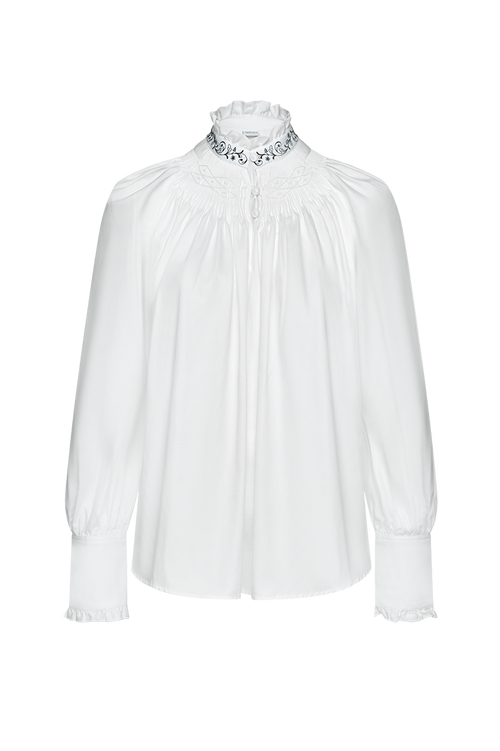
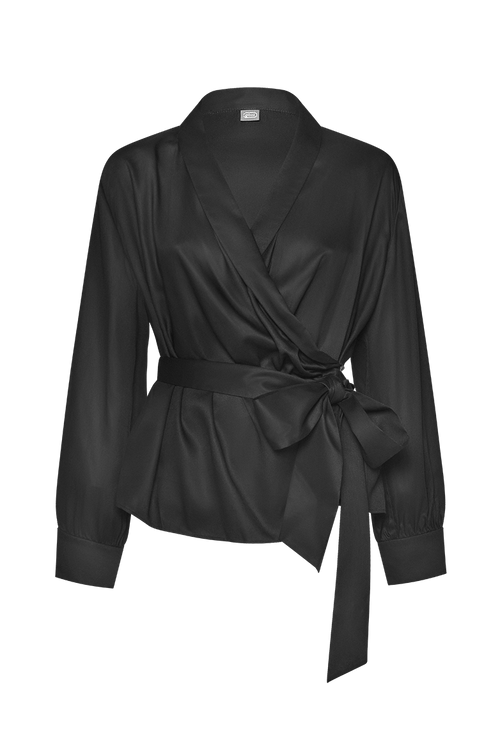
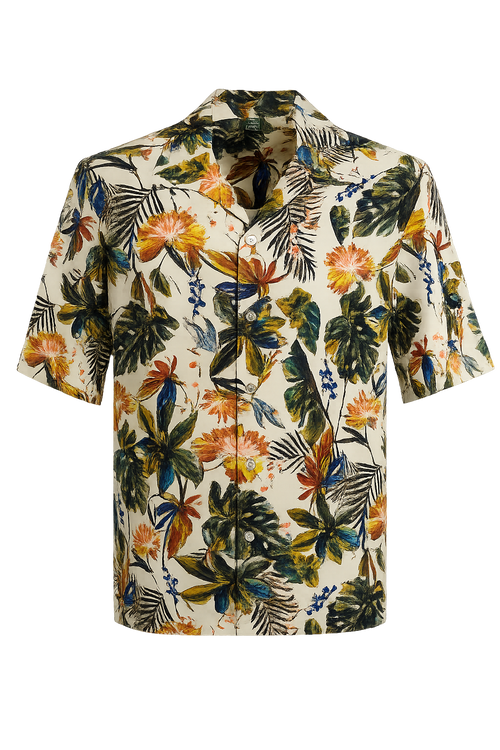
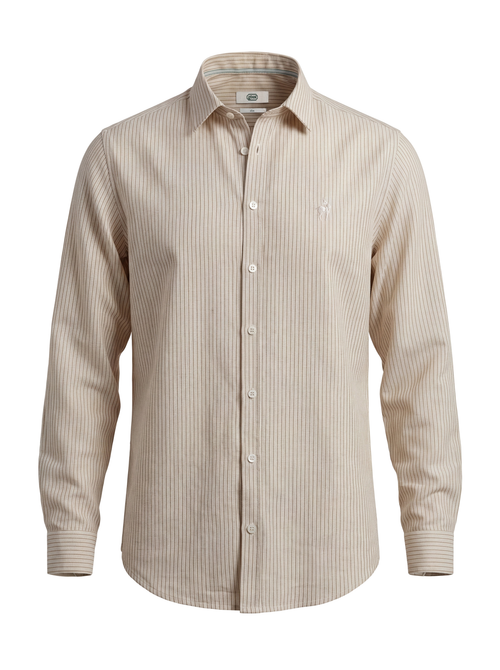
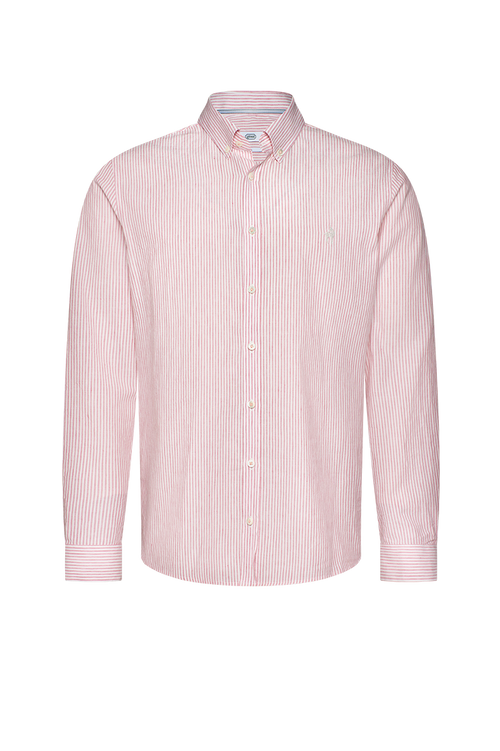
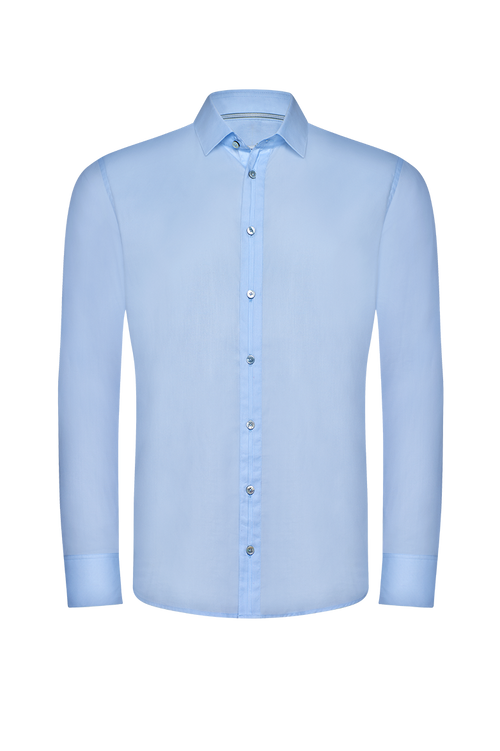
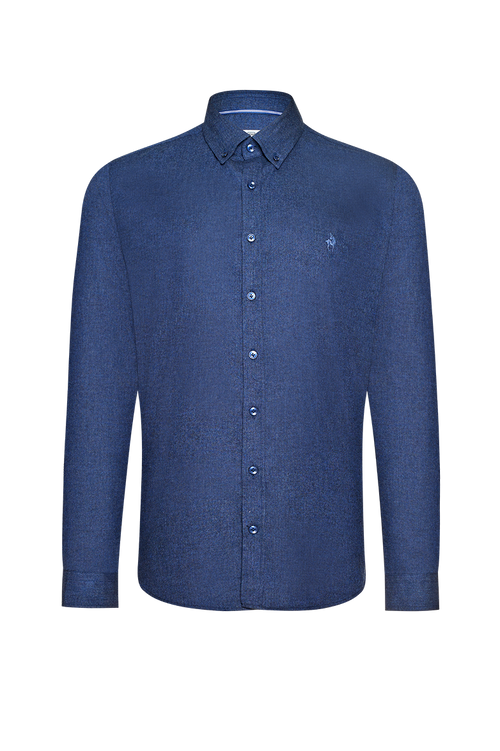
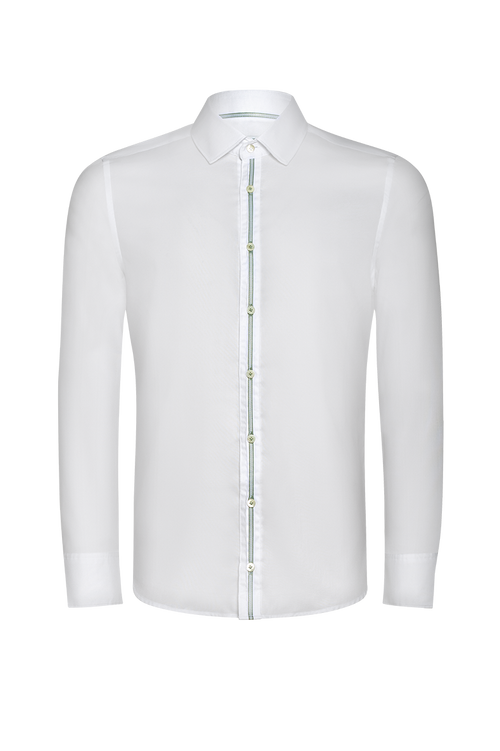
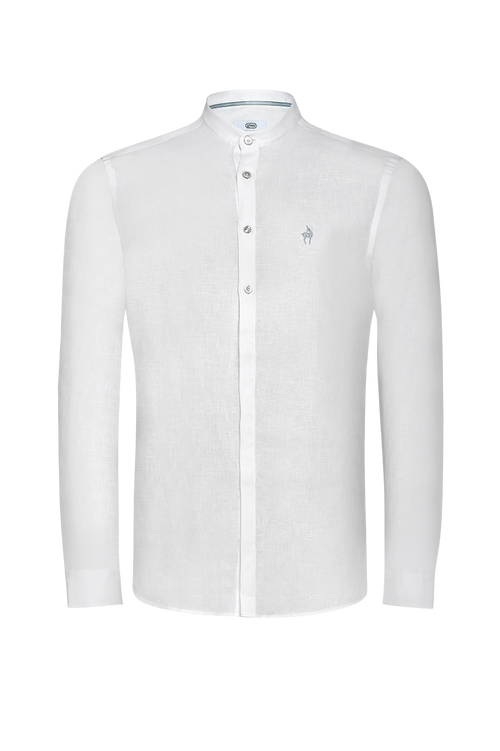
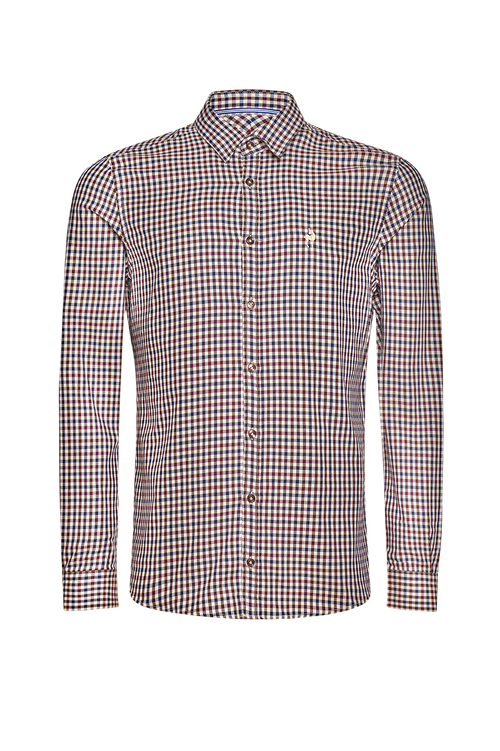
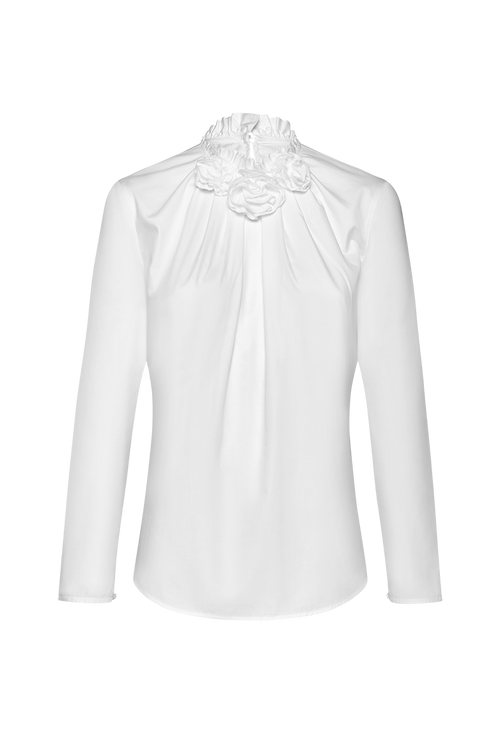
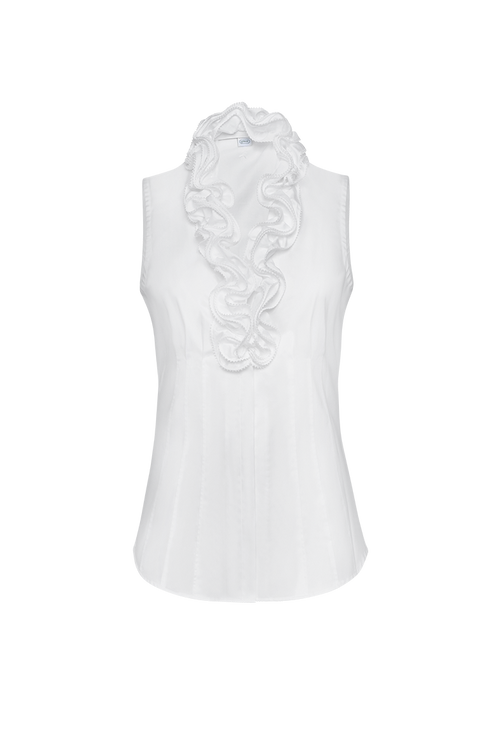
Models in pure linen — Pfoaden, blouses, dresses and Dirndl blouses.

Blouses

Show all

Pfoaden & shirts

Show all
Gössl Frühjahr/Sommer 2026

Linen for her and for him

To the new arrivals